
HOMELESS SITUATION IN THE UNITED STATES
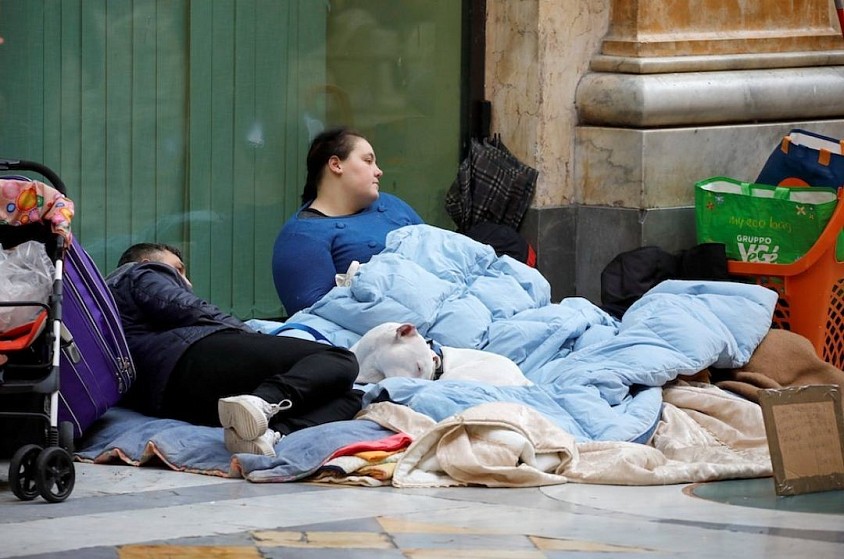
People experiencing homelessness
NATIONWIDE UNHOUSED PEOPLE
HOMELESSNESS IN UNITED STATES
Homelessness in America reached a record high with over 771,000 unhoused individuals reported on a single night. This surge is driven primarily by severe housing shortages, rising rental costs, inflation, and the expiration of pandemic-era safety net programs. Key Statistics and Trends
- Record Numbers: Over 771,000 people lacked permanent housing during federal counts, marking an 18% single-year increase.
- Vulnerable Demographics: Increases are heavily visible among families, older adults, and minority groups—particularly Black and Indigenous communities.
- Working Homeless: A growing share of unhoused individuals maintain regular jobs but cannot keep pace with local housing costs
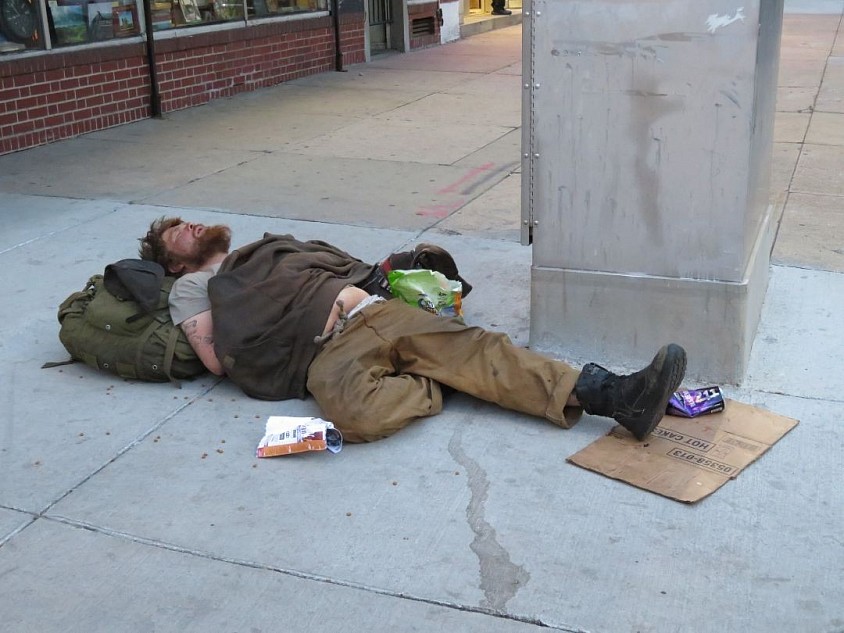
No where to sleep
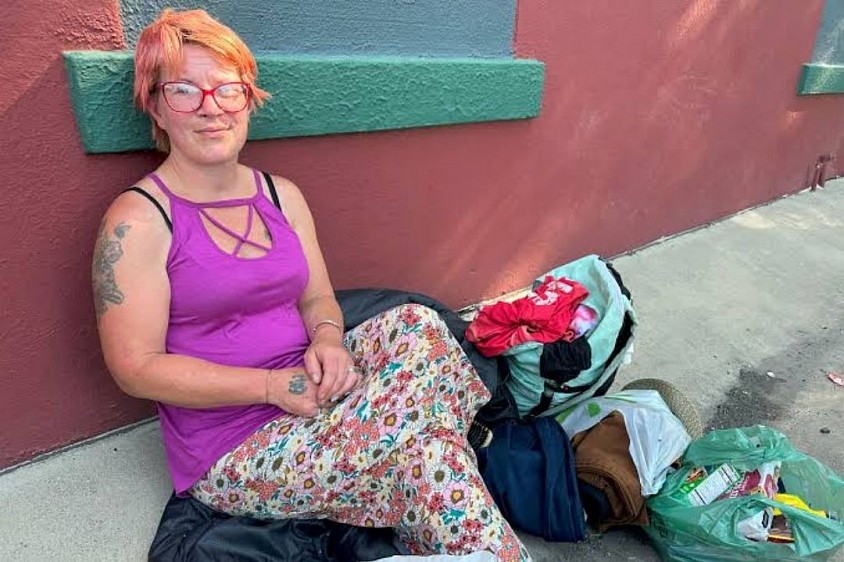
Street settlement
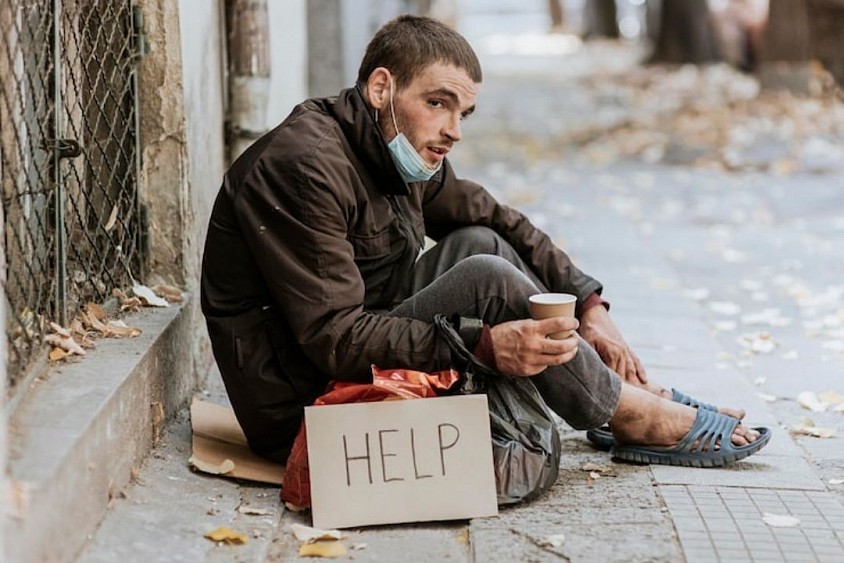
Jobless man on the street
HOMELESS CRISIS
The homelessness crisis in America remains a severe national issue driven primarily by high housing costs, with hundreds of thousands experiencing homelessness on any given night. Recent federal data and reports indicate deep strains from the affordability crisis, heavy concentrations of vehicle-dwellers, and policy shifts toward the Treatment First initiative.
Key Drivers and Realities
- Affordability and Working Homeless: A massive share of unhoused individuals are pushed into homelessness by soaring rents and the basic lack of deeply affordable housing, trapping many working people in vehicles or motels rather than visible street encampments.
- ☆
- The Fentanyl Crisis: Synthetic opioids severely impact street populations in major urban centers like Los Angeles, San Francisco, and Chicago, complicating paths to stability.
- ☆
- Hidden Populations: Official point-in-time counts often undercount people sleeping in cars, RVs, and hidden spaces, which make up a majority of the unsheltered population in several major western cities
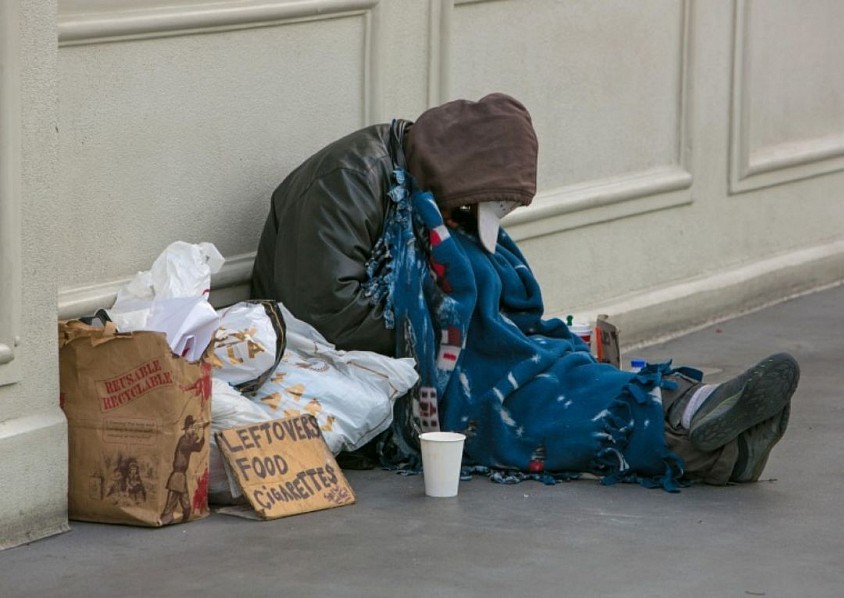
Homeless man
New York City faces a historic homelessness crisis with over 350,000 people estimated to be without permanent homes.
This includes nearly 96,000 individuals sleeping in municipal shelters nightly, alongside thousands living unsheltered and hundreds of thousands doubled up in overcrowded housing. Key Facts
- Shelter Population: Nearly 96,000 people don't have access to rented apartments each night, with families and children making up about 65% of that total.
- Impact on Students: Over 154,000 public school children experienced homelessness during the school year, which equals roughly one in eight students.
- Unsheltered and Doubled-Up: Thousands sleep in public spaces or the subway, while roughly 250,000 people stay temporarily and precariously in the homes of friends or family.
- ☆
Main Causes
- Housing Shortage: A severe lack of affordable housing and an extremely low rental vacancy rate drive the unhoused individuals, marking up homeless crisis.
- Immediate Triggers: Evictions, severe overcrowding, domestic violence, and job loss push families out of stable living conditions.
- Migrant Influx: Recent arrivals of asylum seekers and migrants have added pressure to emergency shelter capacities.
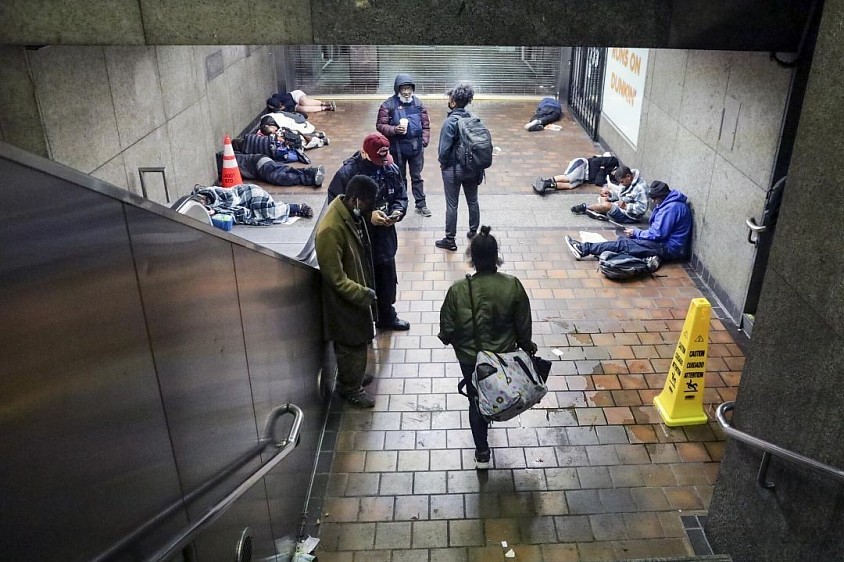
Homeless individuals sleeping underneath

We can help the unhoused people
We Can Help End Homelessness
SOME OF THE BENEFITS OF HELPING HOMELESS PEOPLE IN OUR COMMUNITIES.
Helping people experiencing homelessness transforms entire neighborhoods by lowering public expenses, boosting the economy, and creating safer, healthier public spaces.While providing aid saves lives on an individual level, the collective benefits to local businesses, taxpayers, and community well-being are substantial and measurable.
📉 Financial and Taxpayer Savings
- Reduces emergency service strain: Direct housing and medical support prevent individuals from relying on emergency rooms for primary care.
- Lowers public costs: Studies consistently prove that supportive housing is significantly cheaper for taxpayers than funding the cycle of shelters, ER visits, and jail stays.
- Decreases policing demands: Early community intervention lowers the volume of non-emergency police and EMT calls, freeing up municipal resources.
🛍️ Economic and Workforce Growth
- Expands the local workforce: Providing stable environments allows individuals to seek job training and secure steady employment.
- Increases tax contributions: Reintegrated individuals transition from relying on public aid to paying taxes and contributing to local revenues.
- Boosts local businesses: Stable citizens spend their income at local merchants, driving commerce and neighborhood revenue.
🌳 Public Health and Safety Improvements
- Cleaner shared spaces: Access to shelters and permanent housing reduces waste, litter, and overcrowding in public parks and doorways.
- Stops disease transmission: Medical outreach and hygiene services drastically lower the spread of communicable illnesses throughout the city.
- Enhances neighborhood security: Meeting basic survival needs reduces the desperation that drives petty crime and exploitation.
🤝 Social and Community Well-Being
- Breaks generational cycles: Housing stability allows unhoused children to stay in school, preventing future systemic poverty.
- Strengthens social empathy: Active volunteering fosters deep connections, breaks down stigmas, and unifies community members.
- Restores human dignity: Providing technology, food, and clothing helps individuals rebuild self-worth and confidently re-enter civic life.
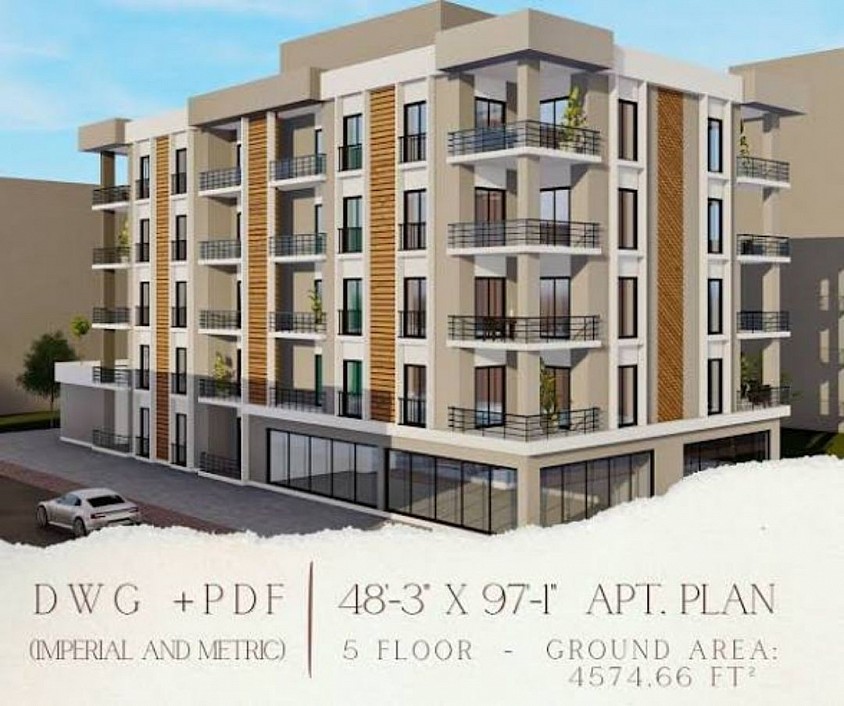
Affordable housing development
Building Apartments designed for the unhoused individuals in United States of America
Our primary objectives towards building construction is Low-cost housing development for the unhoused individuals and building homeless shelters for the homeless people.
Strategies and methodologies for building affordable houses and homeless shelters.
Building affordable housing and homeless shelters requires cost-effective construction methodologies, smart land acquisition, and low-barrier operational models.
Key strategies include modular prefabrication, adaptive reuse of existing buildings, and integrating supportive social services directly into housing designs. Innovative Construction Methodologies
- Modular and Prefabricated Units: Building structural components in factories cuts down on-site waste, lowers labor expenses, and speeds up assembly times.
- Adaptive Reuse: Converting vacant hotels, commercial offices, or old warehouses into residential spaces saves material costs and fast-tracks occupancy.
- Alternative Materials: Using stabilized earth blocks, bamboo framing, or local masonry reduces reliance on expensive imported cement and steel.
- High-Efficiency Building Envelopes: Thick insulation and passive cooling/heating lower long-term utility burdens for low-income residents.
Strategic Development Approaches
- Land Cost Mitigation: Partnering with local governments or religious bodies to secure concessionary land or using land as equity prevents projects from failing financially before building starts.
- Lower-Barrier Shelter Models: Transitioning traditional shelters into housing-focused facilities with private or semi-private micro-units encourages resident stability and dignity.
- Service Integration: Combining residential spaces with on-site casework, mental health care, and employment training helps prevent chronic homelessness.
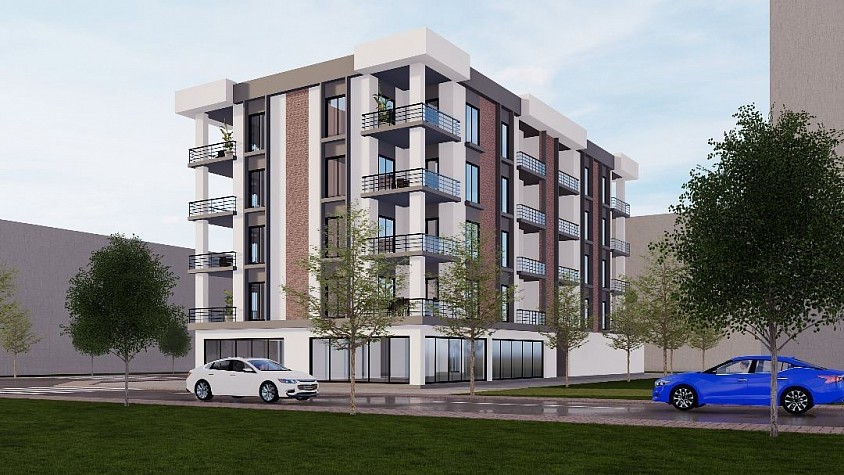
Modern low-cost building for the unhoused individuals
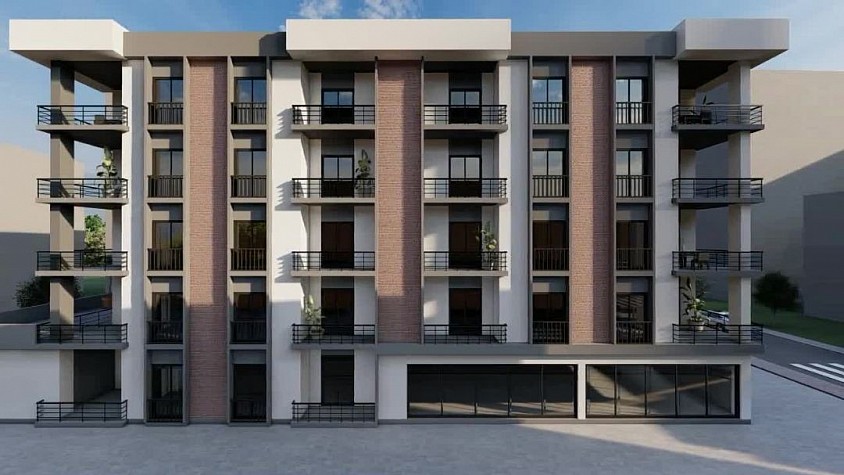
Front view
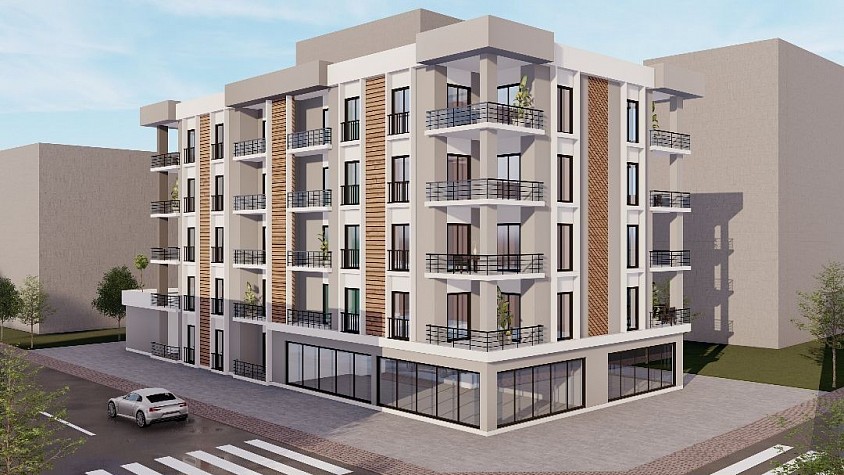
Front and right view
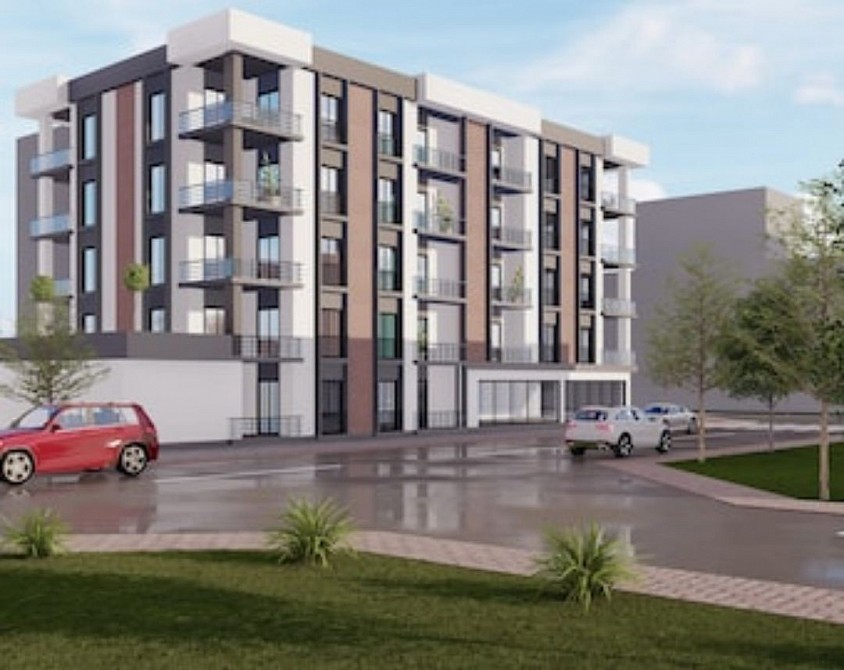
Front and left view
Factors Leading To Homelessness
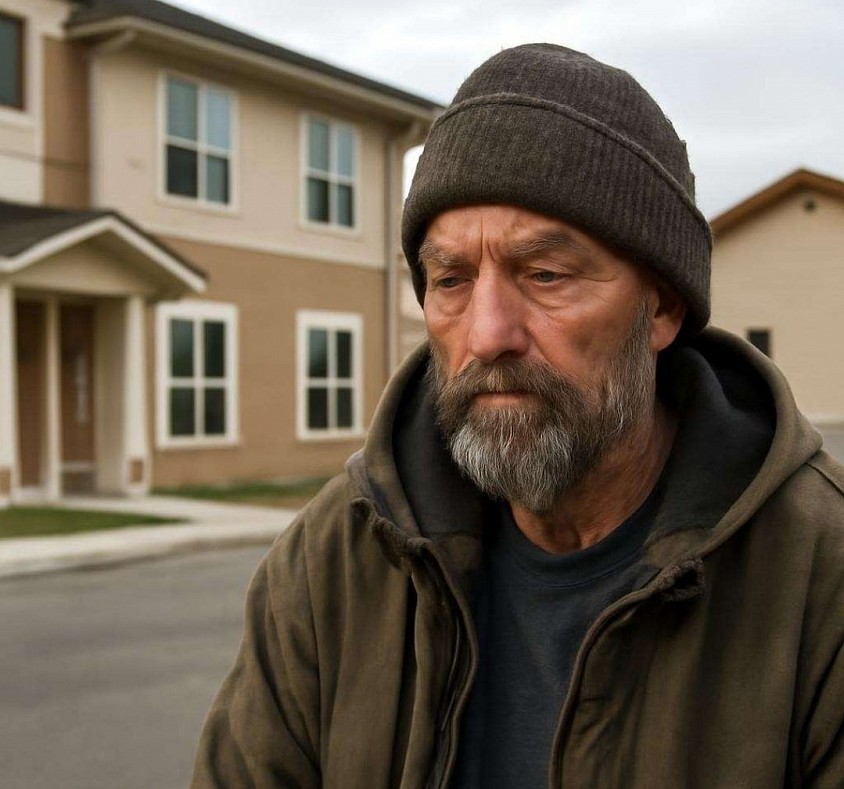
Homeless old man
Causes of homelessness
Factors leading to homelessness Homelessness is driven by a combination of systemic structural failures, economic pressures, and personal life crises.
The foundational root cause is a shortage of affordable housing, which intersects with individual vulnerabilities like poverty, job loss, and health issues to push people out of stable living conditions.
Structural and Economic Causes are as follows:
Affordable housing shortage, High rent costs, low vacancy rates, and a lack of subsidized or public housing option.
A look into the realities of street conditions and communities in Los Angeles
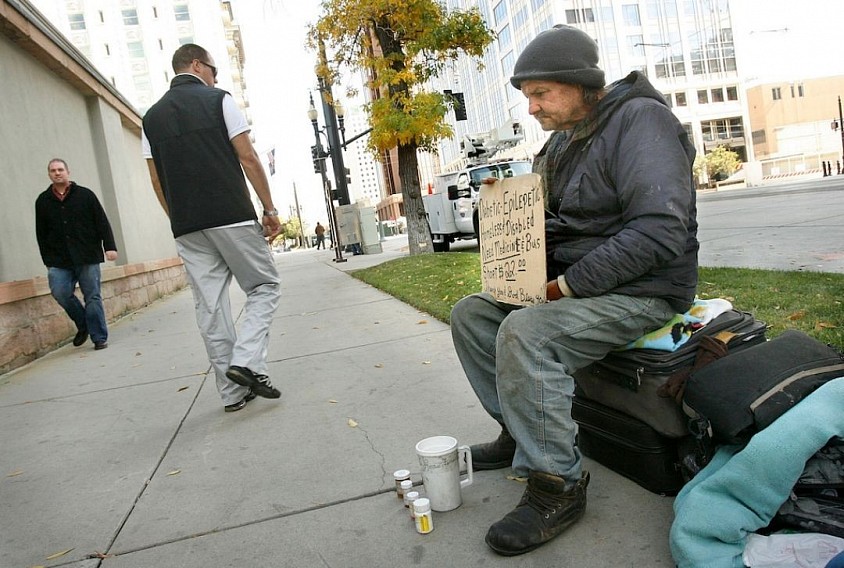
Downtown of Los Angeles California
Los Angeles Street Begger.
Street begging and panhandling in Los Angeles are closely tied to the city's broader unhoused crisis.
Visible populations congregate heavily in areas like Downtown LA's Skid Row, transit hubs, and freeway overpasses, driven by systemic factors, mental health struggles, unemployment and housing shortages.
Every single U.S. state (all 50 states) plus the District of Columbia experiences homelessness. Counts and per-capita rates vary widely based on housing costs, weather, and local safety nets, with California and New York reporting the largest overall unhoused populations.
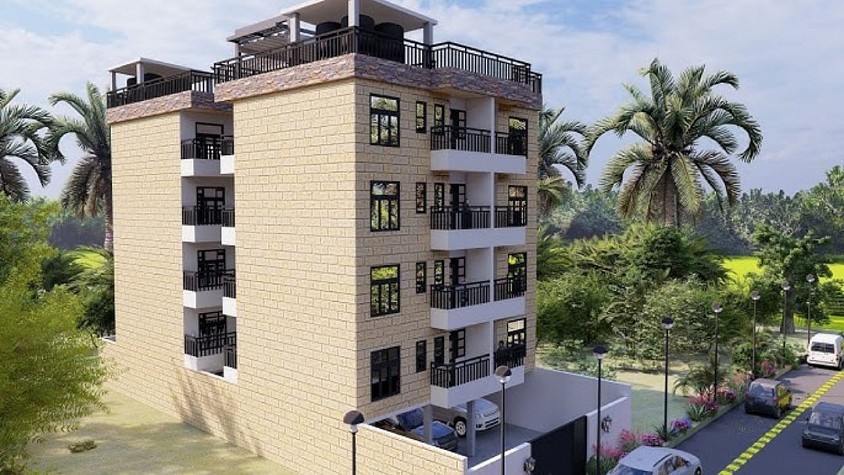
Renovation of old hotels and motels for quick shelters
OLD HOTELS AND MOTELS RENOVATION PROJECTS FOR HOMELESS SHELTERS
Welcome to Individual Shelters: Your Safe Haven.
At Individual Shelters, we believe that everyone deserves a safe place to call home.
Our mission is to provide free accommodation for those in need, ensuring comfort and dignity for every individual who walks through our doors.
Our homeless room shelters are designed to offer more than just a roof over the homeless man's head; they are equipped with essential amenities to enhance homeless man living experience.
Each shelter features comfortable bedding, including bedsheets, to ensure a good night's sleep.
Our facilities are thoughtfully designed with ceiling fans to maintain a cool and pleasant environment, even during the warmest months.
We understand the importance of hygiene and privacy, which is why our shelters include clean and accessible washrooms, providing you with the necessary facilities to feel at home.
In addition, we prioritize homeless individual safety and comfort with the inclusion of mosquito nets, helping you rest easy without the worry of pests.
Join us at Individual Shelters, where compassion meets support.
Together, we can create a community where everyone has a place to belong.
Explore our services and discover how we can help someone you know to find refuge today!.
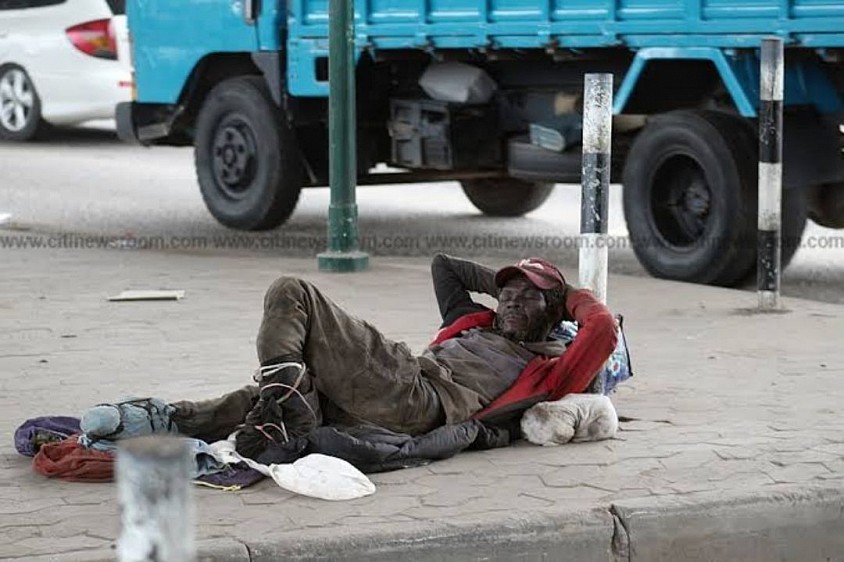
Homeless man
HOMELESS CRISIS IN GHANA, WEST AFRICA
Ghana faces a severe housing shortage with a quantitative deficit of roughly 1.8 million units. Over 100,000 people experience street homelessness on any given night, while millions more live in overcrowded informal settlements and urban slums characterized by poor sanitation and insecure tenure.
Core Causes of the Crisis
- Rapid Urbanization: Mass migration from rural areas to major economic hubs like Accra and Kumasi strains existing urban infrastructure.
- Economic Mismatch: A real estate boom heavily favors luxury developments priced in US dollars, leaving affordable housing scarce for the middle and lower classes.
- Strict Rental Terms: Landlords frequently demand massive upfront rent advances—often spanning two years—violating legal limits and pricing out low-income workers.
- Illicit Capital: Real estate is increasingly used to launder money, inflating property values and keeping completed units vacant while citizens lack shelter.
Social and Health Impacts
- Slum Growth: Roughly 39% of the urban population resides in squatter settlements or slums with inadequate waste management and sanitation access.
- Systemic Stigma: People living on the street face heavy societal discrimination and encounter severe barriers when trying to access healthcare or social support.
- Vulnerable Groups: Single parents, domestic violence survivors, and women facing discriminatory property inheritance customs bear a disproportionate risk of displacement.
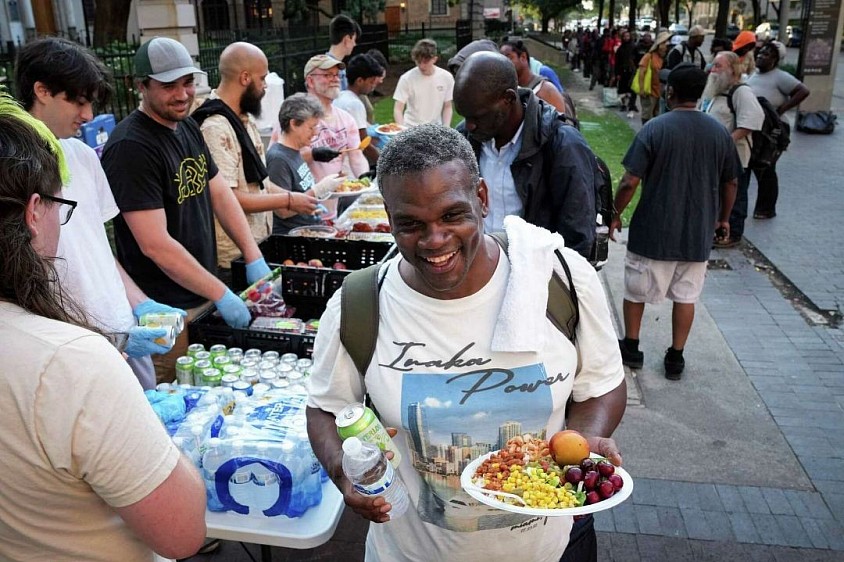
Feeding the homeless people
FOOD FOR THE HOMELESS PEOPLE
The Ministry has plans operating a cafeteria or soup kitchen that serves food to homeless individuals requires balancing high-calorie, shelf-stable nutrition with dignified, efficient high-volume food preparation. When planning a menu for a community kitchen, shelter, or pop-up outreach project, the meals must be filling, easily scalable, budget-friendly, and simple to serve.

Together, we can end homelessness nationwide